Forestry mulching, brush removal, and lot clearing from Chandler's growth edge down the I-10 corridor — quoted free by a local operator.
Straight to a local operator — no call center.
Describe the parcel — a local land clearing contractor prices it with real numbers.
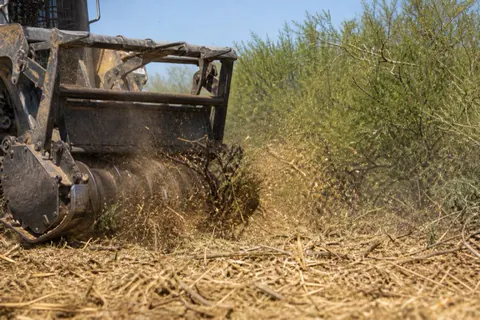
A track machine grinds mesquite, creosote, and palo verde where they stand — one pass, chips left down, no burn piles and no haul trucks.
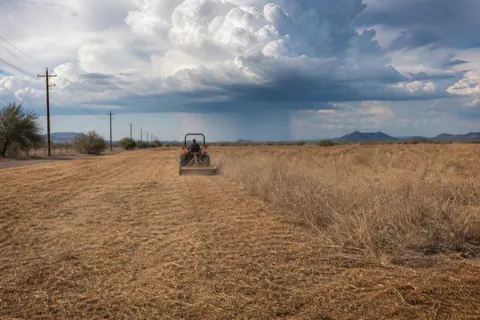
Waist-high desert broom, tumbleweed, and dried annuals mowed off flat parcels and yard edges before they become fuel or a code letter.
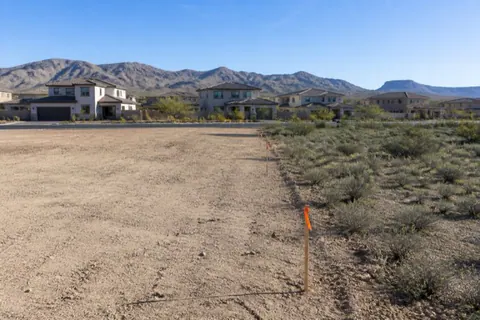
Buildable ground from raw desert: brush out, roots grubbed, protected cactus flagged, and the pad area left clean for the dirt crew.
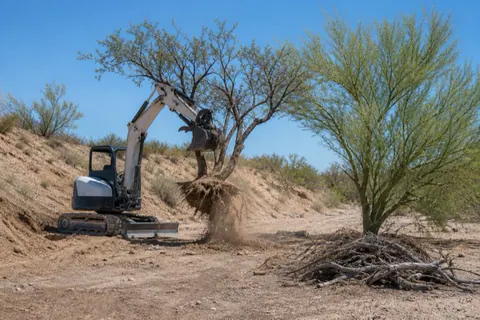
Selective takedown of the basin's two signature trees — thinned, cut to grade, or grubbed root-and-all, with the keepers left untouched.
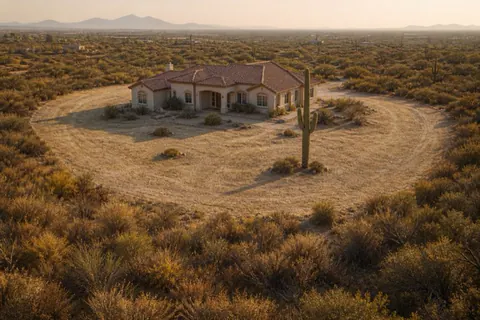
Fuel breaks and cleared buffers around homes and outbuildings — buffelgrass and dead brush out, spacing opened, embers given nothing to catch.
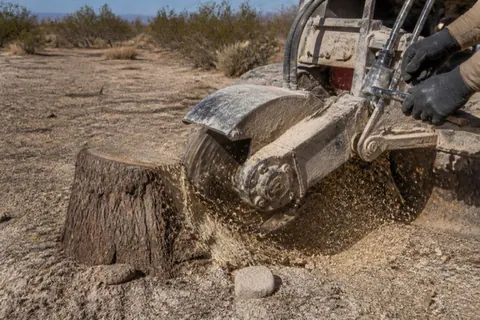
Mesquite, palo verde, and old shade-tree stumps ground below grade — no resprouting crown, no ankle-catcher, no settling surprise later.
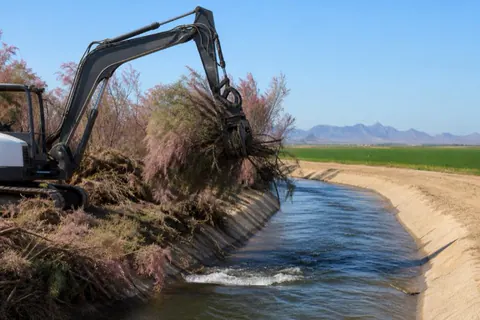
Salt cedar out of the washes, buffelgrass and stinknet off the flats — the corridor's worst invaders removed with their comebacks planned for.
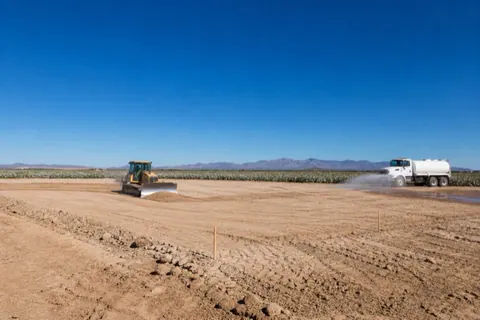
From cleared ground to a compacted, drainable pad — ripping caliche, moving dirt to grade stakes, and leaving a site the next trade can build on.
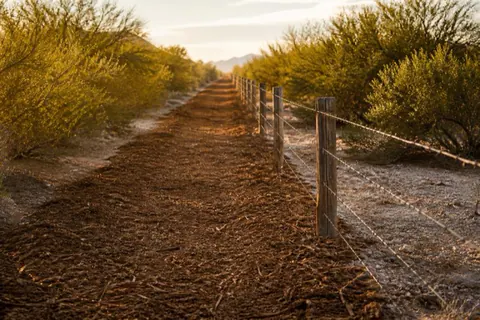
Brush mulched off fence corridors so wire can be seen, fixed, or replaced — straight, clean runs from corner post to corner post.
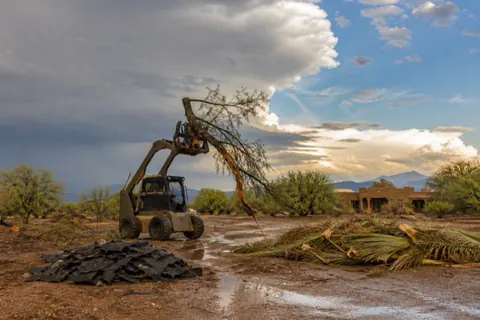
Monsoon aftermath handled fast — downed trees bucked and hauled, snapped limbs grappled off structures, and parcels put back in order.
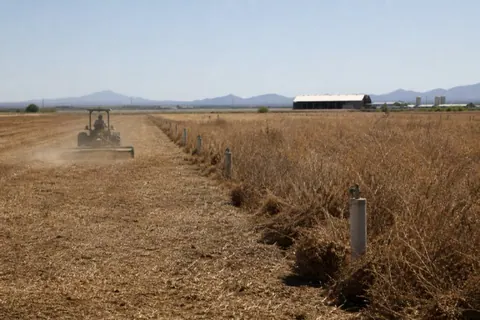
Fallow fields and overgrown acreage brought back — tumbleweed and volunteer mesquite off, old borders knocked down, ground ready to use again.
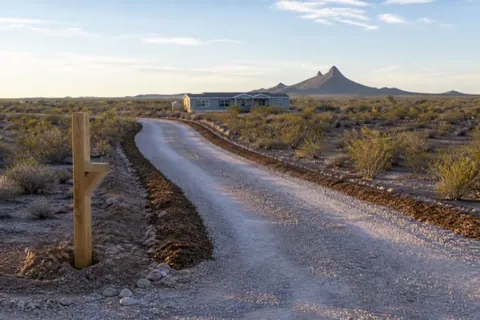
Drive corridors cut through brush and bladed to a drivable caliche surface — from the county road to wherever the home site is going.
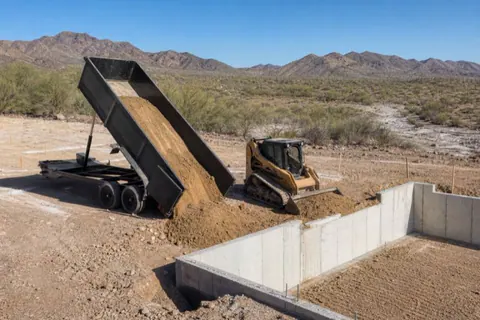
Clean fill delivered, spread, and compacted — pads lifted, wash-outs healed, and low corners brought up to grade in lifts that pass a test.
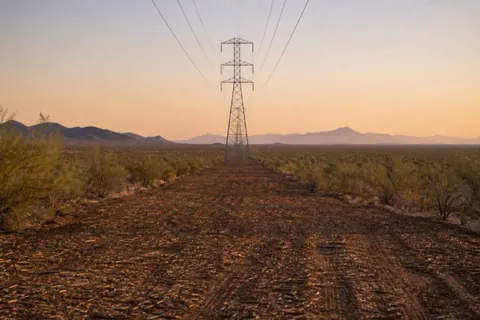
Utility easements, ditch banks, and road shoulders held to spec — long linear corridors mulched clean on schedule, documented and repeatable.
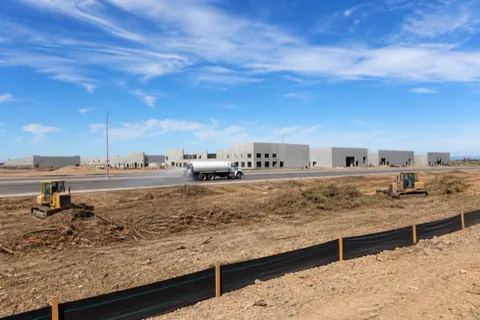
Multi-acre clearing for pads, yards, and phases — production machines, dust compliance, and a schedule the GC can build against.
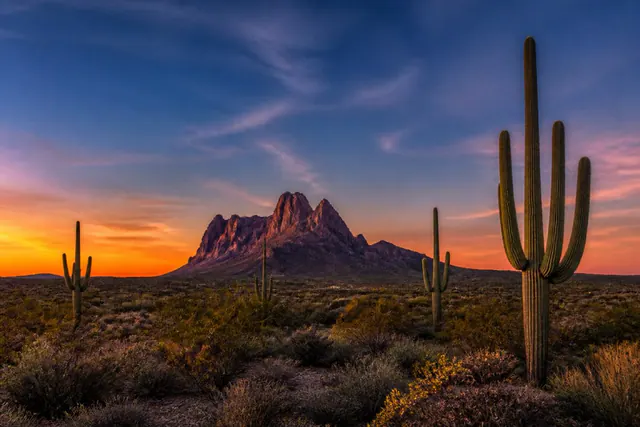
Sun Corridor Land Clearing connects Chandler property owners with a local land clearing contractor for forestry mulching, brush and underbrush cutting, mesquite and palo verde removal, lot and homesite clearing, stump grinding, and finish grading. The scope is written for this stretch of the Sonoran basin: track mulchers sized to grind velvet mesquite and creosote where they stand, rippers and grapple buckets for the white caliche hardpan under the sandy loam, water trucks and track-out control to satisfy county dust rules, and every saguaro and protected native flagged under Arizona's native plant law before a machine moves.
Most quotes land somewhere between a few hundred dollars for a small brush-choked yard lot and several thousand per acre for thick mesquite that has to come out by the roots, because price follows density, terrain, and what happens to the debris. Mulching in place is usually the cheapest path; grubbing, hauling, and finish grading add line items. Every request through this site comes back as a free, itemized quote, so you can see exactly what the machine time, haul-off, and grading each cost before you say yes.
No — and a reputable operator will not touch it. Saguaros are protected native plants under Arizona law, along with ironwoods and most barrel cactus, and destroying one can bring serious penalties. On a clearing job they get flagged before the machine starts and the cut lines route around them. If a protected plant genuinely blocks a build footprint, that is a separate salvage-and-permit conversation with the state, not something a brush crew handles on the spot.
Often, yes. Maricopa County requires dust-control measures for earthmoving work, and the west Pinal County side of the service area sits in a federal PM10 dust nonattainment area with its own rules. In practice that means water on site, stabilized track-out, and paperwork sized to the acreage disturbed. The contractor handles that scoping as part of the quote — it is a normal cost of doing the job right here, not a surprise.
For most desert parcels, mulching wins: the machine grinds mesquite, creosote, and palo verde where they stand, the chips go back down as a thin ground cover that knocks down dust and slows regrowth, and nothing gets trucked or burned. Haul-off makes sense when the ground has to end up bare and gradable — a building pad, a driveway line, an ag field going back into production. Plenty of jobs use both, and the quote prices each so the choice is yours.
October through May is the comfortable window: the ground is dry, the days are workable, and you are ahead of both the summer heat and the monsoon, which runs June 15 through September 30. Clearing before monsoon matters twice over — dead brush and dry tumbleweed are the fuel that summer lightning finds, and loose, uncleared debris is what microburst winds throw around. Summer work still happens; it just gets scheduled around heat and storm cells.
Yes — free and no-obligation. Sun Corridor Land Clearing is a local marketing site: it connects your call or form request with a land clearing contractor working the Chandler-to-Casa Grande corridor. That contractor walks the parcel, writes the numbers, and does the work. You deal with them directly from the estimate onward, and submitting a request commits you to nothing.
 Sun Corridor